US Patent Allowed
Trim That Snaps Into Place
The first patented snap-engagement trim system for building exteriors. No visible fasteners. No precision cuts. Just a clean, fast, perfect finish.
See How It Works
Scroll
The first patented snap-engagement trim system for building exteriors. No visible fasteners. No precision cuts. Just a clean, fast, perfect finish.
See How It WorksEvery piece of traditional trim means visible screw holes, precision cutting, and time-consuming labor that drives up project costs.
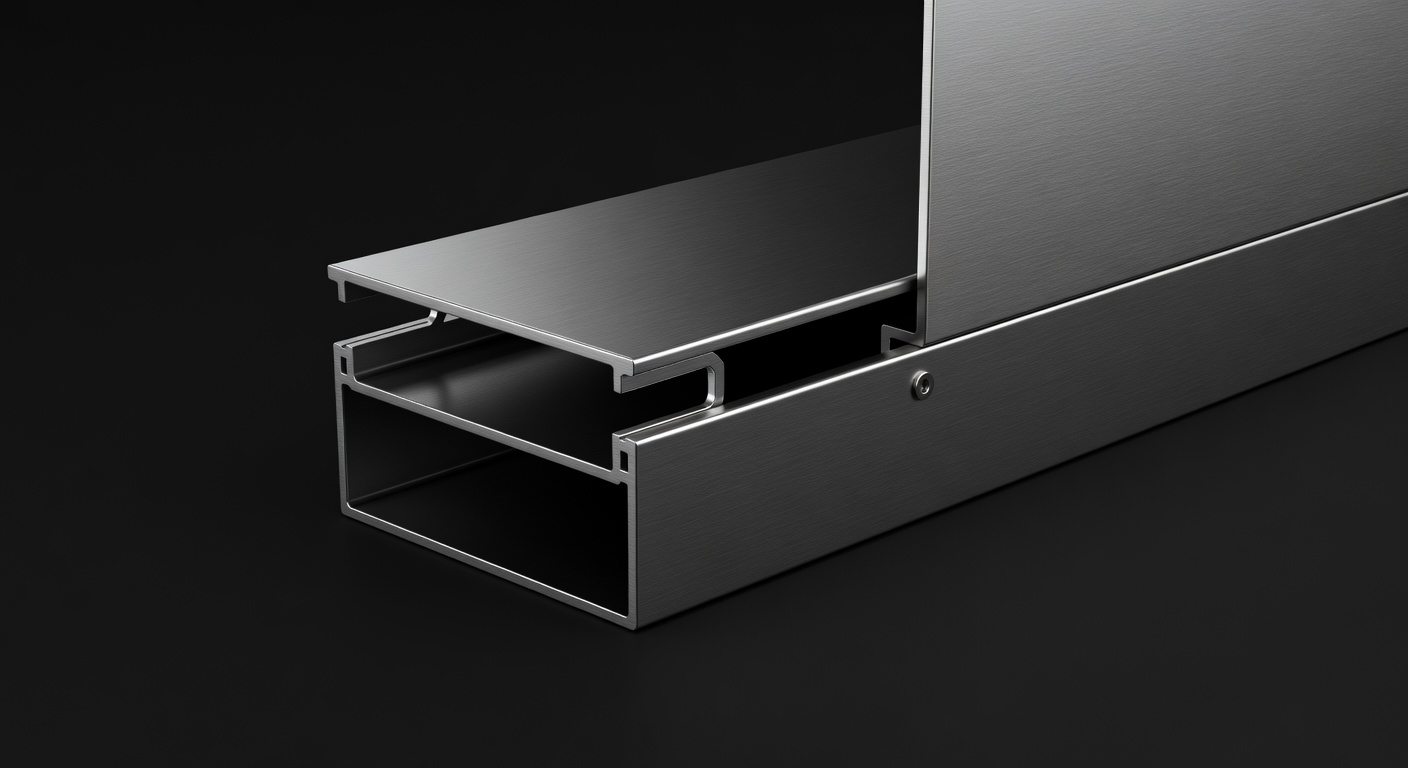
A patented two-part system that snaps together, hiding every fastener and eliminating the need for precision work.
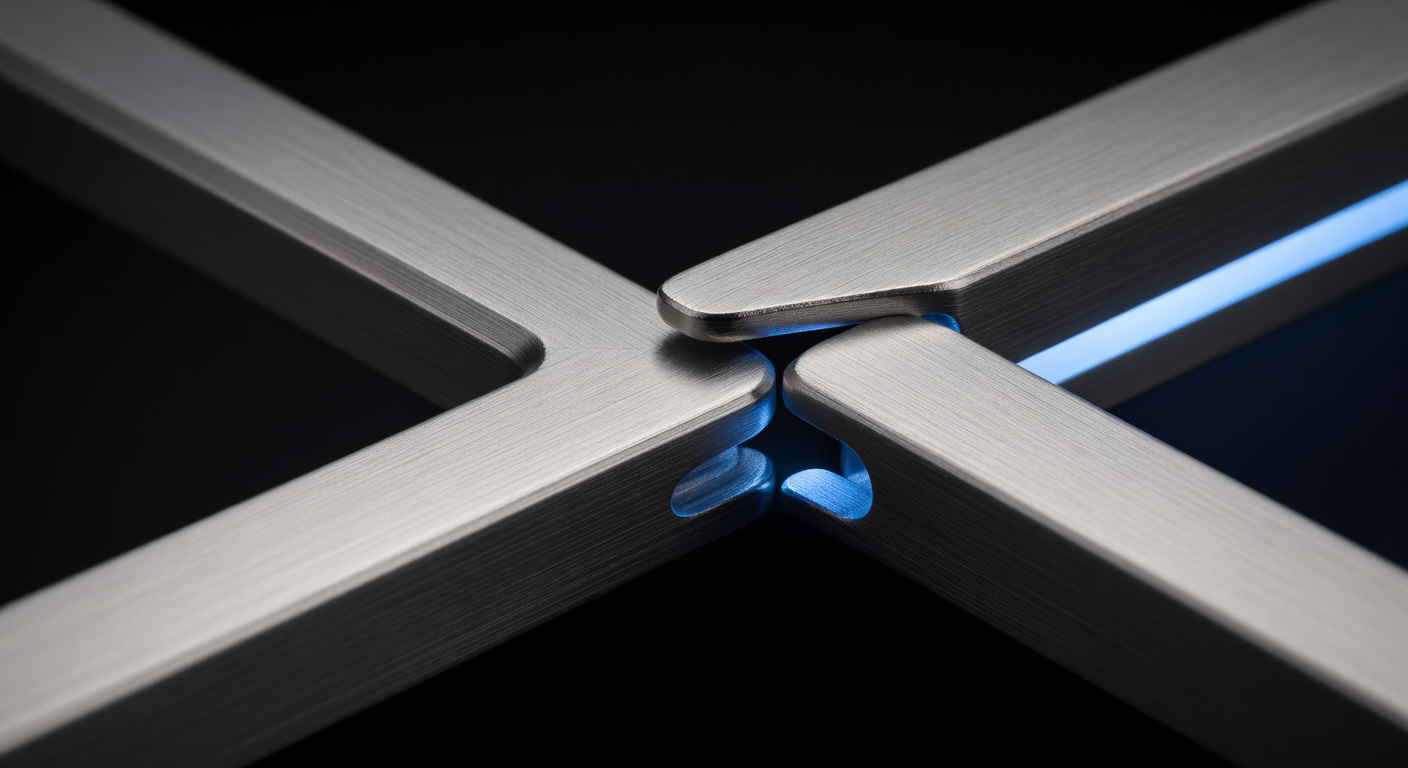
Fasten the base trim panel directly to any substrate. Screws go through the base only, hidden behind the finished surface.
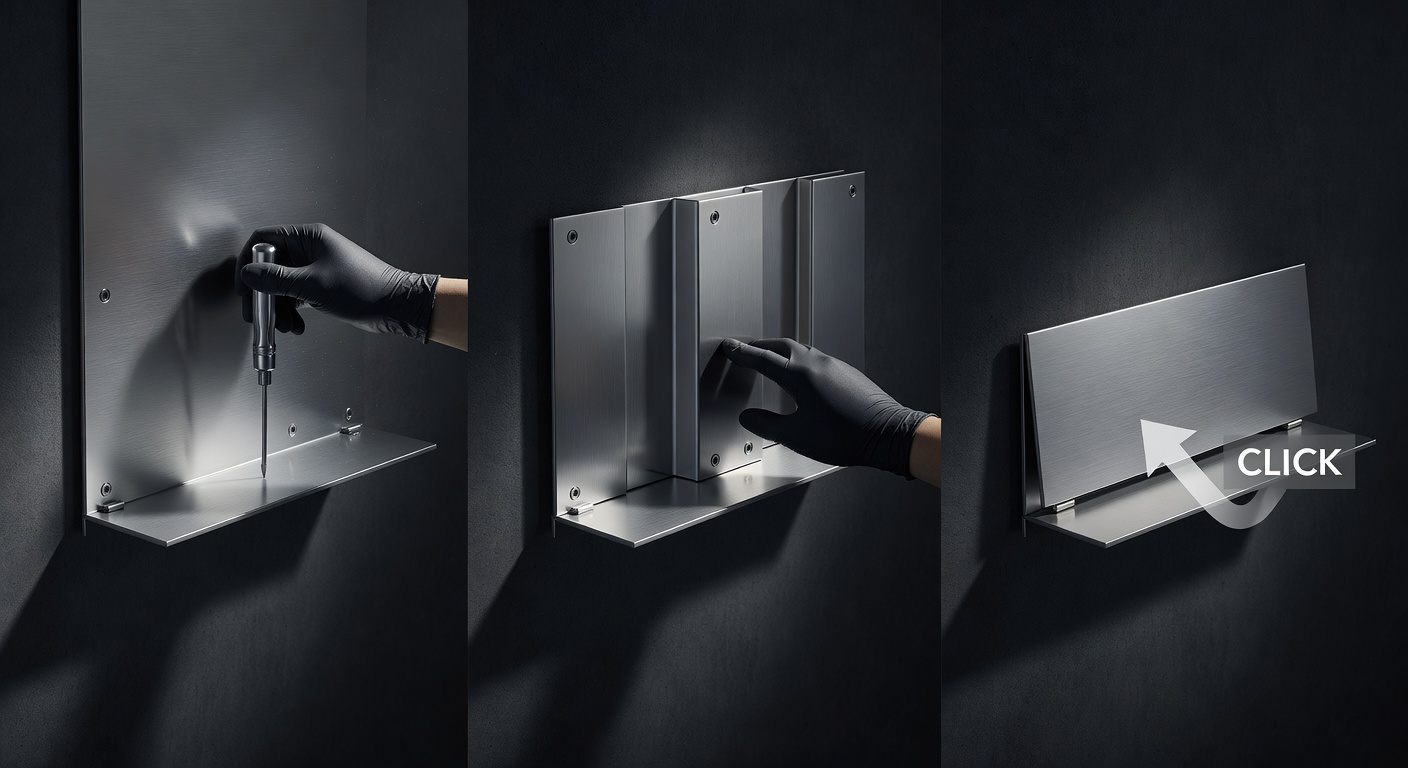
Mount building panels adjacent to the base trim. Works with any material: metal, vinyl, fiber cement, composites. No trimming or flexing needed.
Press the top trim panel onto the base. The patented retention mechanism locks with a satisfying snap. No tools. No fasteners. Done.
The original application. Proven in production across residential and commercial projects.
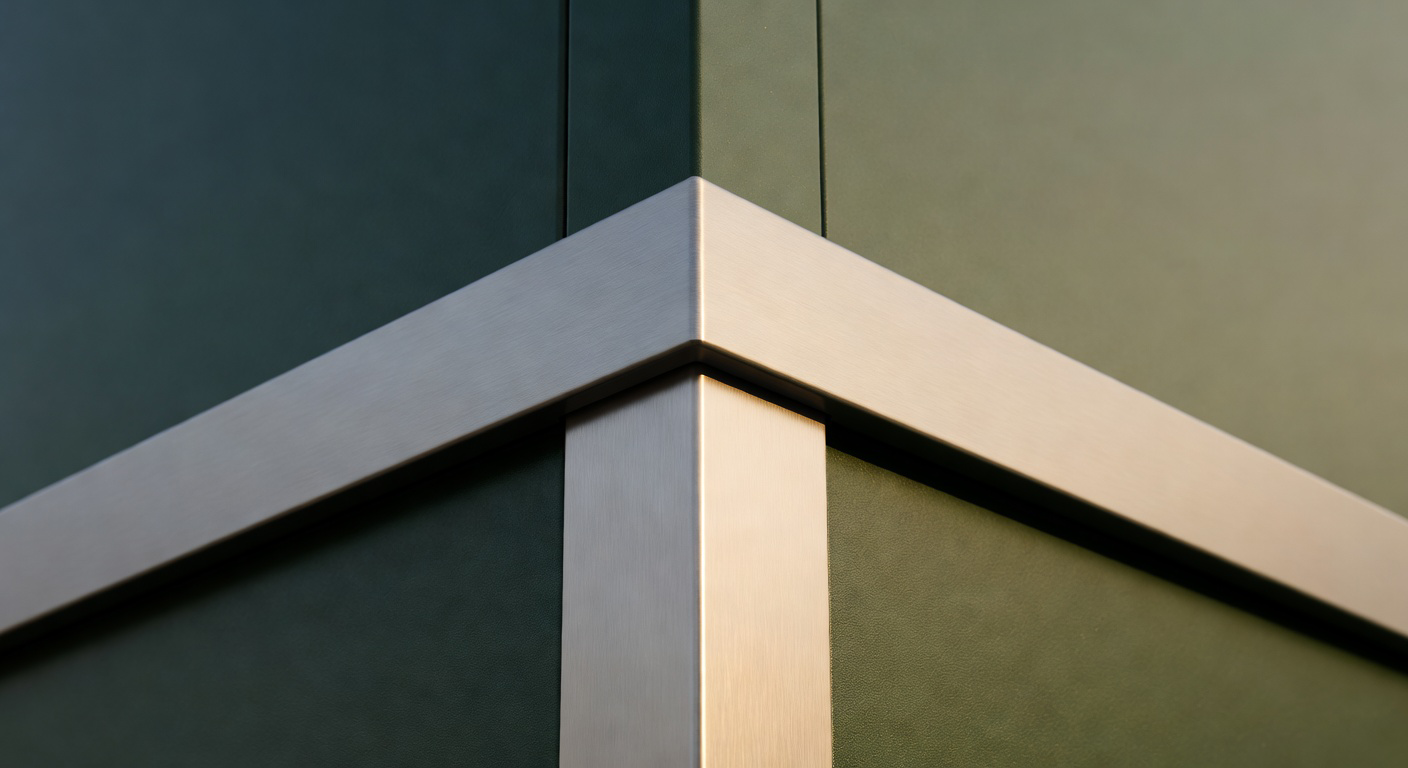
Clean corner finishing with zero visible fasteners. Field-proven and ready to ship.
Roof peak trim
Roof edge finishing
Water management trim
Board and panel facing
Opening perimeters
Interior corner finishing

38 patent claims protecting a system that works across every building material and trim profile.
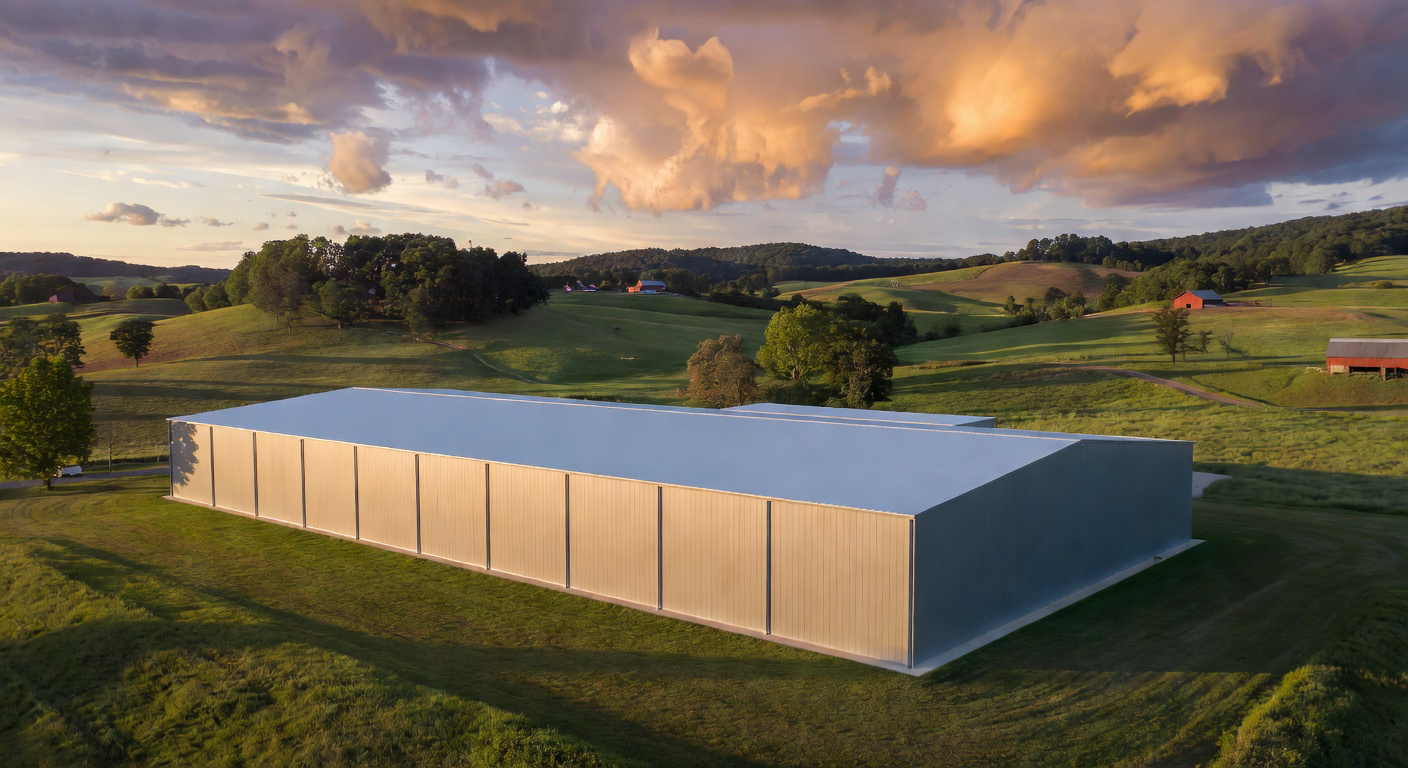
The snap-engagement mechanism works across all building materials and trim profiles. Whether you manufacture metal roofing, vinyl siding, or fiber cement panels, this technology integrates into your existing product lines.
Discuss Licensing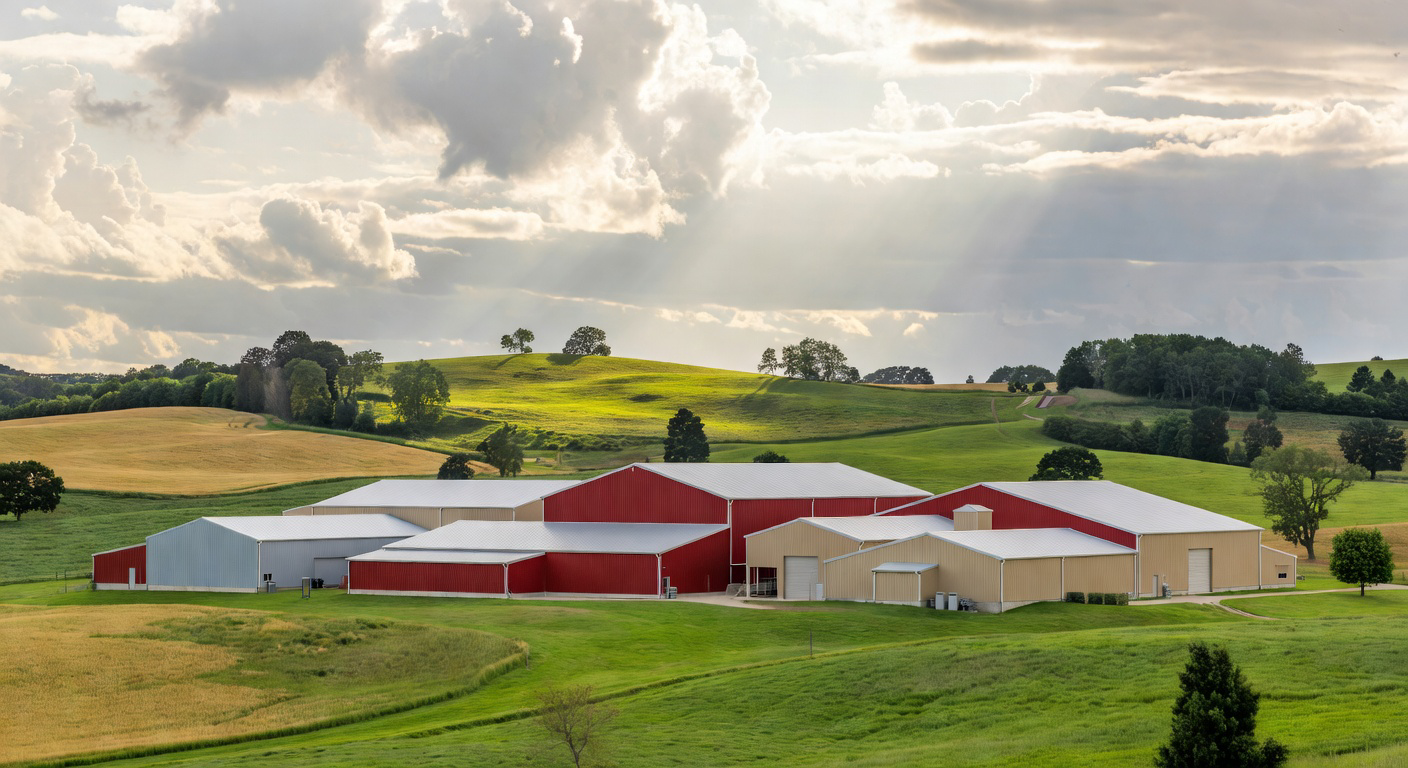
Snap Metal was born from Freedom Metals, a metal fabrication company founded in 1995 in Duncansville, Pennsylvania. After decades of installing trim the hard way, we engineered a better solution.
The snap-engagement system wasn't designed in a lab. It was invented on job sites by the people who do this work every day. Every design decision solves a real problem that installers face.
Now, with a granted patent protecting the technology, we're bringing this innovation to the entire building industry.